The myth that we need meat to be strong, build muscle, and perform as athletes has been soundly quashed in recent years. Thanks to the documentaries like The Game Changers and the many plant-based athletes across multiple disciplines, performing at the highest level, we have clear evidence of the effectiveness of veganism for athletes.
Does A Plant-Based Diet Improve Athletic Performance?
It can, but of course it needs to be done properly. There aren’t many athletes thriving on a plant-based diet of potato chips, sodas, and vegan pizza. However, on a healthy, whole food plant-based diet full of muscle-building proteins, energy-giving carbohydrates, and all the other essential nutrients, an athlete can vastly improve their performance.
The Game Changers website outlines the facts for maximizing athletic performance on a plant-based diet.
Plant-Based Diet For Athletes
There is no one-size-fits-all diet for athletic performance. This of course depends on your discipline, what kind of body type you have and need, and your goals. For example, an ultra marathon runner will need a different combination of foods to a world record-breaking strength athlete. But whoever you are and whatever your goals, you can find all the essential building blocks for athletic performance on a plant-based diet.
Carbohydrates
Energy is essential to all athletic performance—without plenty of carbs there is no energy reserve for that last hard push!
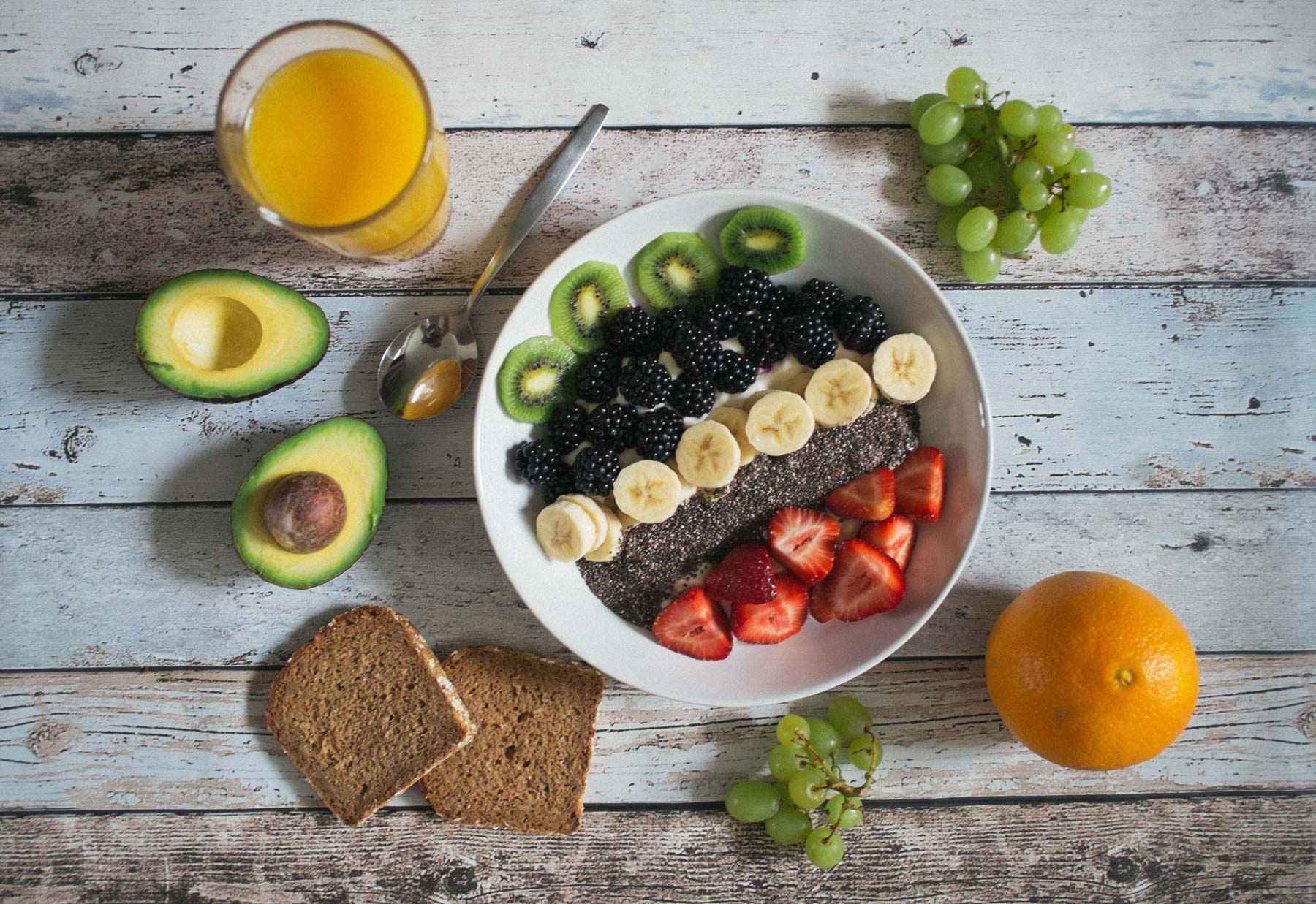
Luckily, carbohydrates are plentiful on a vegan diet. They come in three groups: sugars, fibres, and starch, and which of these carbohydrates you eat does matter. Sugars are simple carbs and can be useful for emergency energy, but they are of limited use to our bodies, and can cause adverse health effects. Starch and fiber are more complex carbohydrates which is what we want. Most breads, pasta and rice, particularly the wholewheat or brown versions of these foods, provide all the starchy carbs we need to perform. Our fiber requirement is covered by piling on the fruits and vegetables, as they have a healthy store of it in their cell walls. Plus, we also get the added benefit of a lower risk of bowel cancer, type 2 diabetes and cardiovascular disease.
Protein
Protein is our building block. It’s used by the body to build, repair and maintain cells, support cognitive function, and give us energy.
For too long, getting enough protein has been associated with a meat- and dairy-based diet, but thankfully this outdated and inaccurate myth is fading. A plant-based diet can provide all 20 of the essential amino acid proteins required by our body for healthy function, with plant sources being low in unwanted fats, cholesterol, and other dietary nasties.
Athletes can load their plates with beans, nuts, seeds, lentils and soy products, as well as potato, oats, quinoa, and more. These days there are also endless delicious, high protein meat-replacement products made of seitan (wheat protein), pea, and soy proteins. The Beyond Burger for example, has 20g of protein and is free from soy, gmo, and gluten, as well as being delicious.

Fat
Fat is essential for energy and cell growth, but it has to be the right kind of fat. The wrong fats can cause trouble for our bodies, including increased risk of heart disease and type 2 diabetes. Plant-based fats are nearly always monounsaturated and polyunsaturated fats—the good kind that will lower cholesterol. Bad fats—saturated and trans— tend to be found in meat, butter, and oils and raise blood cholesterol. Choose avocados, nuts, and seeds for healthy fats.
Plant-Based Athletes
Tia Blanco
Tia’s diet reflects the tropical nature of her sport. As a champion surfer she needs lots of energy so starts the day with fruits and banana ‘nice’ cream, with molasses for the extra iron and calcium. Lunch is often a stir fry with a tropical twist, adding fruits such as pineapple for extra vitamin C, while dinner is often plant-based sushi with all kinds of protein and fat-filled goodies like tofu, avocado, seaweed, and green onion.
Torre Washington
Torre is a plant-based body builder and winner of many competitions. He says he avoids calorie counting and just eats as continuously as he can—this is now second nature and he can respond to changes in his body with his diet. Firm favourites for him are protein-dense tofu and tempeh, as well as Japanese sweet potato, all kinds of fruits and vegetables, and of course, all the greens.
Steph Davis
One the world’s leading climbers, Steph keeps her life and diet simple and natural. Nothing processed or pre-made, Steph’s approach is to stick to natural foods such as nuts, seeds and fruits. She even dabbles in fermentation, adding delicious kimchi and gut-healthy kombucha into her routine.
Patrick Neshek
Pat started his vegan journey as a way to get healthier and as a result noticed improved performance on the field. As a relief pitcher, he deals with high-pressure moments and says his vegan diet has increased his ability to focus and perform. Pat starts the day with granola and a fruit smoothie with extra rice protein powder.
Molly Cameron
Molly’s preference for veg began at an early age, as she simply didn’t like meat. Now, she enjoys the lifestyle and says she just wants to do her bit for the planet. Her diet allows her to keep herself on the bike for at least 20-30 hours a week!
David Carter
A prolific line-backer in the NFL, David went from eating six double cheeseburgers in an average day, to a clean and healthy plant-based diet. Before this transition, he suffered from tendonitis and fatigue but his vegan diet has him feeling stronger than ever.
David told GQ magazine what an average day of meals looks like:
- Oatmeal with hemp protein, bananas and berries for breakfast
- Brown rice and black beans topped with avocado and cashew cheese for lunch
- Couscous with onion and garlic, and spinach salad with bell peppers for dinner
Venus Williams
After a diagnosis of a debilitating autoimmune disorder, tennis star Venus Williams turned to a raw food vegan diet, which helped relieve her symptoms. She prioritizes high-fiber foods, so starts the day with fruit or a protein shake, and drinks juices during the day. A big Caesar salad is a favorite for her evening meal.
Scott Jurek
Scott is an ultra marathon runner. These are no standard 26-mile marathons. Scott prefers to break records with his running—one of which is the fastest time running the mighty Appalachian Trail. He ran a mammoth 2,189 miles in 46 days, 8 hours and 7 minutes, all on a vegan diet.
Scott’s plant-based diet is no secret, he can be found in The Game Changers documentary talking about his diet as key to his success. On the trail it’s all about calories, and Scott put away between 6,000 and 8,000 calories a day doing the Appalachian trail. At home he is more relaxed and enjoys warming curries and soups full of beans and veggies.
Michaela Copenhaver
Michaela has been vegan since 2012, and despite success, she has not always had the full support of coaches. She has experienced pressure to add meat and dairy based proteins, but her vegan will was too strong and she has since moved to more accepting training environments. She’s even converting her boatmates to her calorie-rich diet of oatmeal, vegetables and even more vegetables!
Ryan Reed
NASCAR may be synonymous with hot dogs on race day, but Ryan Reed has bravely bucked the trend and taken his plant-based diet to the NASCAR track. He was told in 2011 that he had type 1 diabetes and would never race again, but 10 years later, he is competing in the NASCAR Xinfinity series. He attributes his health and success to many factors, but his plant-based diet and regular exercise have played a key role.
Nate Diaz
I think we can all agree, even the most avid meat-eater wouldn’t get in the ring with plant-based Nate Diaz. After ditching meat before fights in an effort to have more energy, he realized his body didn’t like it when it was reintroduced, so he kicked it for good and has been performing at his peak ever since. He now dines on plenty of vegetables, grains, and fruits.
Austin Aries
The pro wrestler packs in around 3,000 calories a day to fuel his fights. He likes to incorporate all his favorite foods into this, including vegan mac n cheese, whole grain vegan pizza, and smoothies. Austin shows that it’s not all nuts, seeds and beans!
Kendrick Farris
Kendrick Farris is an Olympic weightlifter who smashes his protein intake by choosing black beans, trail mix, all kinds of nuts such as almonds and cashews, and enjoys fresh fruits as snacks. Avocado quesadillas, guacamole, and spinach lasagna, which are all full of good fats, help him achieve his dietary requirements. Farris says he doesn’t stick to any regime as he just eats when he’s hungry, which works for him!
Fiona Oakes
An early adopter, Fiona declared she was a vegetarian at three years old, and at six removed all animal products from her diet. She is a dedicated activist and freely admits that one of the main reasons she runs is to give a platform to her activism. Fiona realized that marathon running was a popular sport, she was good at it, and therefore could use it to raise awareness for the sentient animals she wishes to protect. Fiona takes the unique approach of eating only one meal a day, full of fresh vegetables, grains, and beans. This approach is definitely not for everyone, but it works for her and allows her to keep up her amazing work for animals.
Rich Roll
Endurance athlete, author and podcaster Rich Roll is the ultimate vegan guru. At 42 years old, he doesn’t look a day over 30 and regularly completes 40-mile runs, finishing them with six mile swims, all fueled by a vegan diet. He starts the day with a juice filled with all kinds of fruit and green veg, then often heads to Chipotle for lunch, where you can get a big bowl of rice, beans and avo. Hard to beat!
Colin Kaepernick
After three surgeries, which meant time off the field and out of the gym, Kaepernick switched to a plant-based diet. His injuries left him unsigned and there were many critics of his dietary change. He has, however, since proved everyone wrong, by returning to full fitness on a vegan diet and appearing to be stronger than ever. He credits much of his speedy recovery to his plant-based diet.
Morgan Mitchell
Australian sprinter Morgan Mitchel has been vegan for five years and says the biggest benefit has been speed recovery times from her training programme. Because she trains so hard, Morgan packs in the calories and protein at breakfast time with a breakfast burrito full of beans, mushrooms, tofu, and Beyond Meat burger. She opts for seitan and salad at lunch for her protein, and rounds of the day with a vegan buddha bowl.
Derrick Morgan
Derrick and his wife Charity, featured in The Game Changers documentary. This vegan power couple together inspired many of the Tennessee Titans football team to become vegan by showing them how delicious plant-based food can be. Chef Charity has built a vegan catering business and regularly feeds the whole team in their Nashville home. Some of their favorite dishes are vegan buffalo wings, mac and cheese, enchiladas, and lasagna. Derrick has said his former team mates couldn’t believe how delicious the food was, and were amazed by how much more energy they had.
Patrik Baboumian
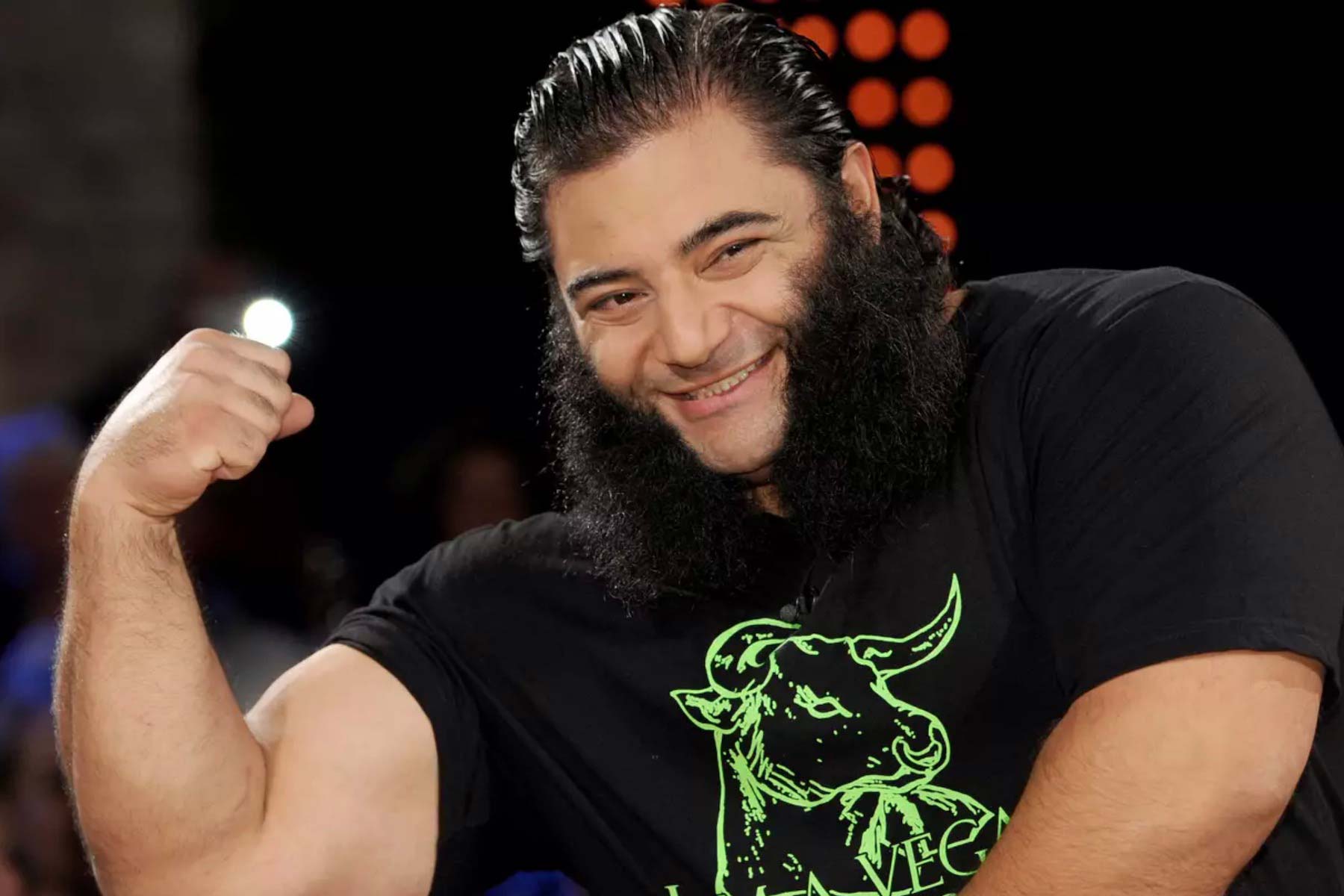
As well as being an extremely nice guy, Patrik is a strongman beast. He packs in an incredible 410g of protein, more than seven times the recommended amount for most men. Patrik does this by taking in 5,000 calories a day in the form of vegan sausages, falafel, tofu, protein shakes, fruit smoothies, vegetables, and nuts.
Conclusion
Getting enough of the three dietary pillars of protein, carbohydrates, and fats is not only achievable, but it can be delicious and practical, too. This list of athletes, with all their impressive achievements, proves that but if you need further convincing, head to Netflix and watch The Game Changers documentary.