Protein powder has become very popular, particularly for those looking to build muscle. Whey protein has been seen as the first choice in the fitness world but perhaps, not anymore! Because whey comes with problems. Whey is a by-product of the dairy industry, which means it is associated with inhumane practices. It also contains lactose, which many people are intolerant to. But vegan protein powder is a great choice for everyone!
Is Whey Protein Vegan?
No, whey is not vegan. Whey is a by-product of the dairy industry and therefore associated with all the cruelty inherent in that industry. Luckily, there are many vegan protein powders that do exactly the same job as whey and are tasty, effective, more ethical, and nutritious.
What Is Vegan Protein Powder?
Vegan protein powder is any high-protein powder product that doesn’t contain animal products. It is readily available and can be made from a number of plant sources. One factor to consider when choosing your vegan protein powder is its amino acid profile. There are nine essential amino acids that make up a ‘complete protein.’ Ideally we want to be consuming a full profile to get the most out of our protein intake. With that in mind, here’s a few great ones to check out.
Brown Rice Protein
Rice is not often seen as a high-protein product, more a carbohydrate, but it is made up of both protein and carbohydrate molecules. Select enzymes are used to separate the protein from the carbohydrate and lo-and-behold! Brown rice protein powder is born! This product is high in protein and contains beneficial amino acids. It’s also naturally gluten-free, another bonus.
Hemp Protein
Hemp is a real contender for the best vegan protein powder available. It is a complete protein, with all nine essential amino acids. Research shows that up to 95 percent of the protein in hemp is digestible. So anyone who struggles with digestive issues should consider hemp. It is also high in fiber and high-fiber diets have been shown to improve blood sugar levels and gut bacteria, while lowering the risk of bowel cancers. What’s not to like!
Pea Protein
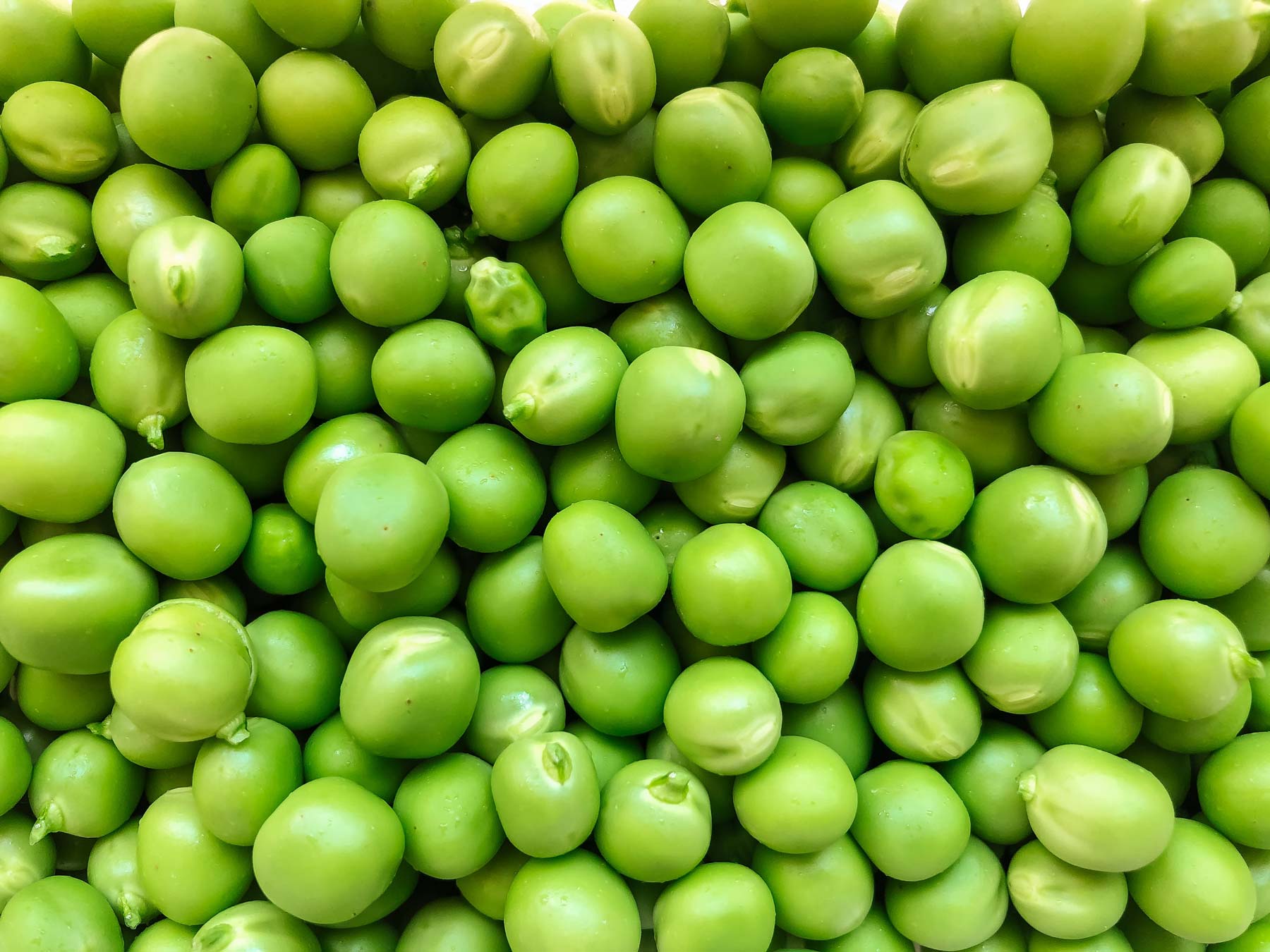
These little green balls truly are protein powerhouses. Pea protein is vegan, dairy-free, gluten-free and does not contain any of the top eight food allergens. so it truly is for everyone! And best of all, unlike whey protein powders, it does not contribute to any animal suffering and its impact on the planet is low. Finally, it does have a complete amino acid profile, although it is low in methionine. Since brown rice is high in methionine, a blend of these two vegan protein powders can be a winning combination.
Soy Protein
Soy protein is probably the most common and popular vegan protein powder. This is largely due to its neutral flavor and its mixability. It also has a complete amino acid profile. Soy can also lower your levels of bad cholesterol and increase good cholesterol in the body! Read more about the wonders of soy.
Is Vegan Protein Better Than Whey?
First up, there is no replacement for a healthy, whole food diet, particularly a plant-based one. And we can get all our protein needs from eating this way. But protein powders can be useful after workouts, to build muscle, and in between meal times and when we need to reach for them, we recommend reaching for a vegan one. Vegan proteins are healthy, digestible, tasty, and most of all do not support an industry underpinned by suffering and environmental damage. So, yes, we believe that for many reasons, vegan protein is better than whey.
Better To Digest
Digestion is unique to individuals, so we must listen to our bodies and find the products that work for us. However, vegan proteins, particularly pea, soy, and hemp proteins are very digestible and will not cause any digestive issues for most people. Whey however, contains lactose, which is a cause of bloating and digestive issues for a large proportion of the global population. No vegan protein contains lactose, so it is suitable for everyone.
Complete Protein
Soy, hemp, and pea proteins are complete proteins that contain all the amino acids needed by the body. Levels of each amino acid are different in each protein, so to ensure we maximize our amino acid profile, we can consider switching between plant-based proteins. For example, mixing pea protein and brown rice protein (or buying a premixed product) is a great way to get high levels of all the essential amino acids we need.
Nutrition Facts
For this we are going to turn to a medical expert. Michael Greger MD, founder of Nutrition Facts, has identified a range of positive outcomes from eating a diet that is rich in plant proteins. It is important to note that this is, of course, based on a diet rich in natural whole foods, as well as partially processed products like protein powders. Here we go:
- Lower risk of allergies
- Lower risk of bladder cancer
- Lower blood pressure
- Lower total cholesterol
- Phosphorus management for those suffering from chronic kidney disease
- Lower risk of Crohn’s disease
- Lower risk of endometrial cancer
- Lower heart disease and cancer mortality
- Lower risk of inflammatory bowel disease and ulcerative colitis
- Life extension
- Beneficial effects on psychological disorders linked to low serotonin levels
- Better preservation of muscle mass as one ages
- Beneficial effects for Parkinson’s disease patients
- Lower risk of premature puberty
- Slower progression of prostate cancer
Taste
For some time, taste was an area of concern for people making the switch to plant-based protein powders. Not anymore. Demand for vegan protein products has grown so much that the quality of these products has increased dramatically. The majority of flavored vegan protein products are now indistinguishable from whey products. They also mix well and go well in smoothies, oatmeal, and more!
Weight Gain And Muscle Growth
Vegan protein is effective at building muscle and promoting weight gain. To do this, we need to take in a full amino acid profile and vegan protein powders such as soy, pea, and hemp all provide this complete profile.
How To Choose The Best Vegan Protein Powder?
It is a good idea to mix your vegan proteins, to ensure we get a complete and strong amino acid intake. Amy Shapiro, founder of Real Nutrition suggests the following things to look out for:
- Look for certified organic and USDA-approved products to avoid unwanted sweeteners and additives.
- Avoid artificial sweeteners.
- Look out for caffeine content, this can be an unwanted surprise for many!
- If possible, mix your protein powder with natural fruits or vegetables. Taking in natural vitamins and minerals alongside your protein can aid absorption of both proteins and other nutrients like iron.
Best Vegan Protein Powders
Everyone has a view!
- Healthine’s list brings together the best vegan protein powders and categorizes them based on different requirements.
- Women’s Health lists its top choices.
- Prevention provides tips on what to look out for and what to avoid when buying vegan protein.
How To Make Vegan Protein Smoothies?
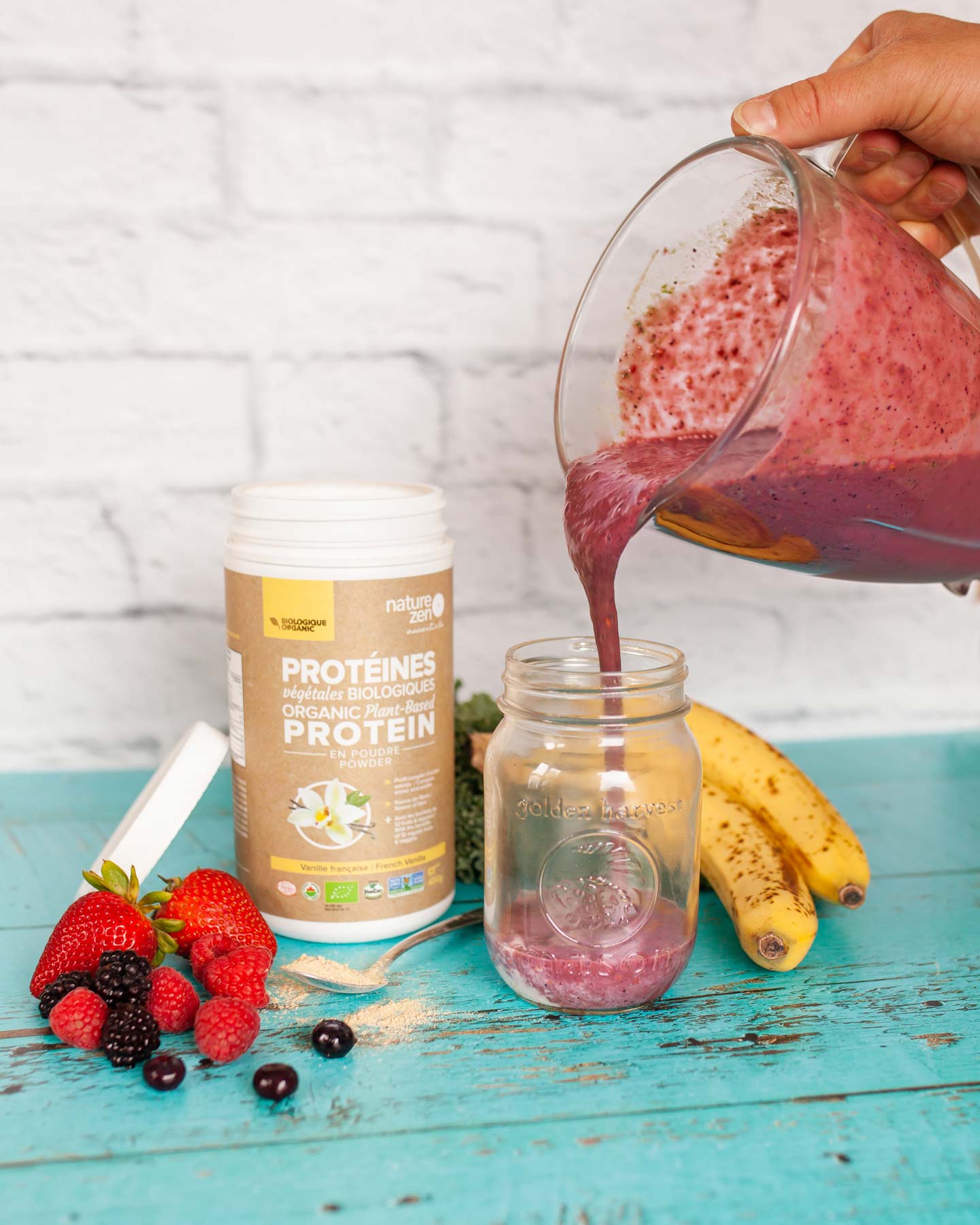
Simply mix your chosen vegan protein powder into your blender along with your smoothie ingredients! This is the fun part, as once you have chosen your protein powder, anything goes! Our personal favourite is blending vanilla soy protein powder with banana, peanut butter, chia seeds, walnuts, oat milk and ice.
Conclusion
Whey protein is not vegan, but that doesn’t matter when there is so many amazing vegan options for protein powders! We can easily achieve the same goals, get the right nutrients and amino acid profile, all while being more ethical and saving the planet! Win-win-win.